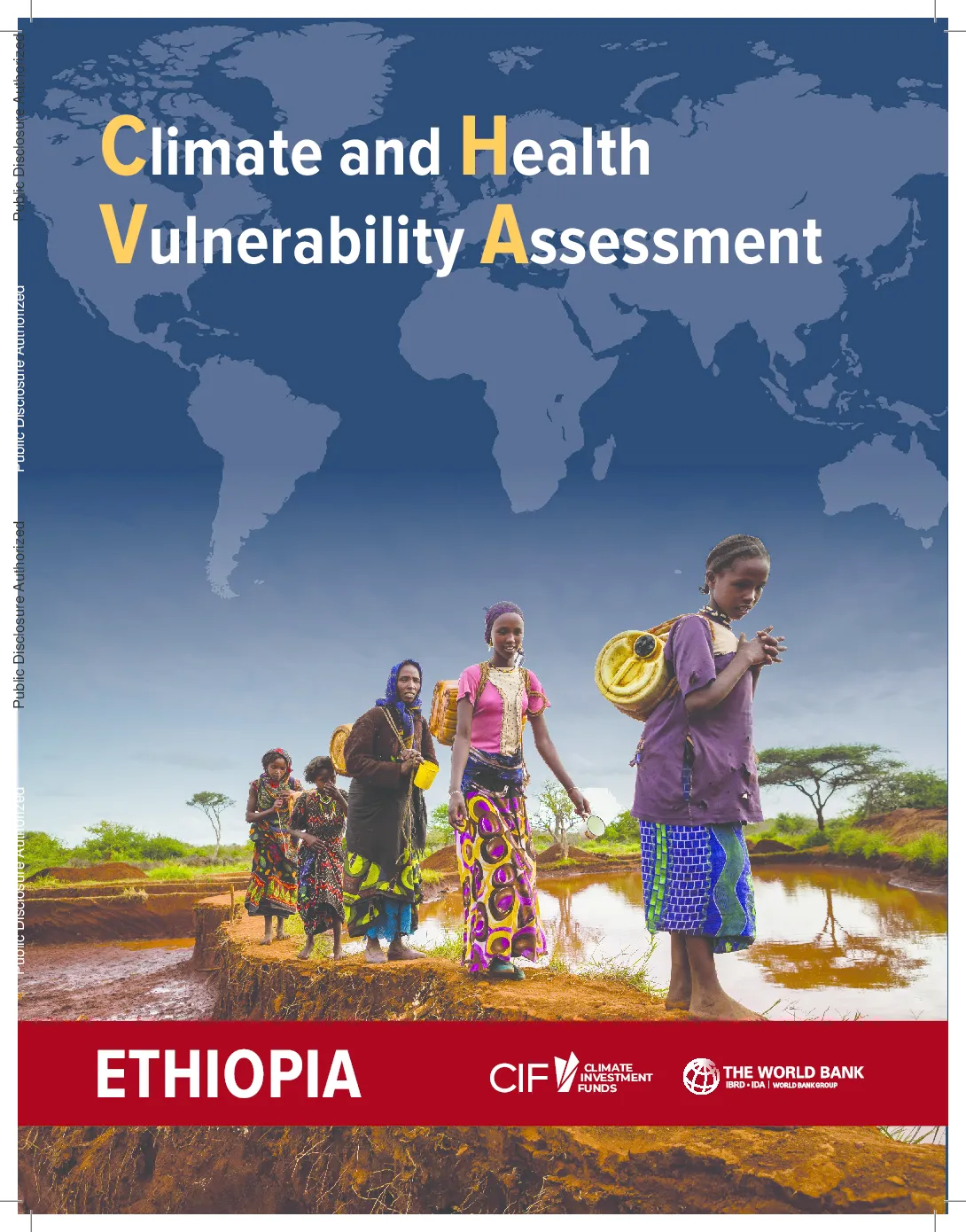
Climate and Health Vulnerability Assessment: Ethiopia
Executive Summary
This report provides an in-depth analysis of climate and health vulnerabilities in Ethiopia, focusing on observed trends and future projections, health risks associated with climate change, and the adaptive capacity of the health systems. Key findings include:
-
Climate Trends: Ethiopia experiences increasing temperatures, changes in precipitation patterns, and more frequent extreme weather events like droughts, floods, landslides, and heatwaves.
-
Health Risks:
- Nutrition and Food Security: Climate impacts exacerbate food insecurity, affecting nutritional status.
- Vector-Borne Diseases: Increased transmission of diseases like malaria due to altered mosquito habitats.
- Waterborne Diseases: More prevalent due to contamination of water sources by floods and landslides.
- Heat-related Morbidity and Mortality: Higher vulnerability among vulnerable populations.
- Air Quality: Poor air quality increases during extreme weather conditions, impacting respiratory health.
- Mental Health: Stress and anxiety linked to environmental changes and health threats.
-
Adaptive Capacity: While some improvements have been made in health system components like leadership, governance, and health workforce, there are significant gaps in areas such as integrated risk monitoring, health and climate research, and climate-resilient infrastructure.
Key Recommendations
To enhance health system resilience to climate change, the following strategies are recommended:
- Leadership and Governance: Strengthen policies and frameworks that integrate climate considerations into health planning.
- Health Workforce: Develop training programs for health professionals to address climate-sensitive health issues.
- Vulnerability Assessment: Conduct regular assessments to identify high-risk populations and areas.
- Integrated Risk Monitoring: Implement early warning systems to detect and respond to health threats.
- Research: Invest in research that informs effective health interventions in a changing climate.
- Sustainable Technologies and Infrastructure: Promote climate-resilient practices in health facilities.
- Management of Environmental Determinants: Address underlying environmental factors that impact health.
- Climate-Informed Programs: Tailor health programs to adapt to and mitigate climate impacts.
- Emergency Preparedness: Enhance capacities for rapid response to climate-related health emergencies.
- Financing: Secure adequate resources to support climate-resilient health initiatives.
References