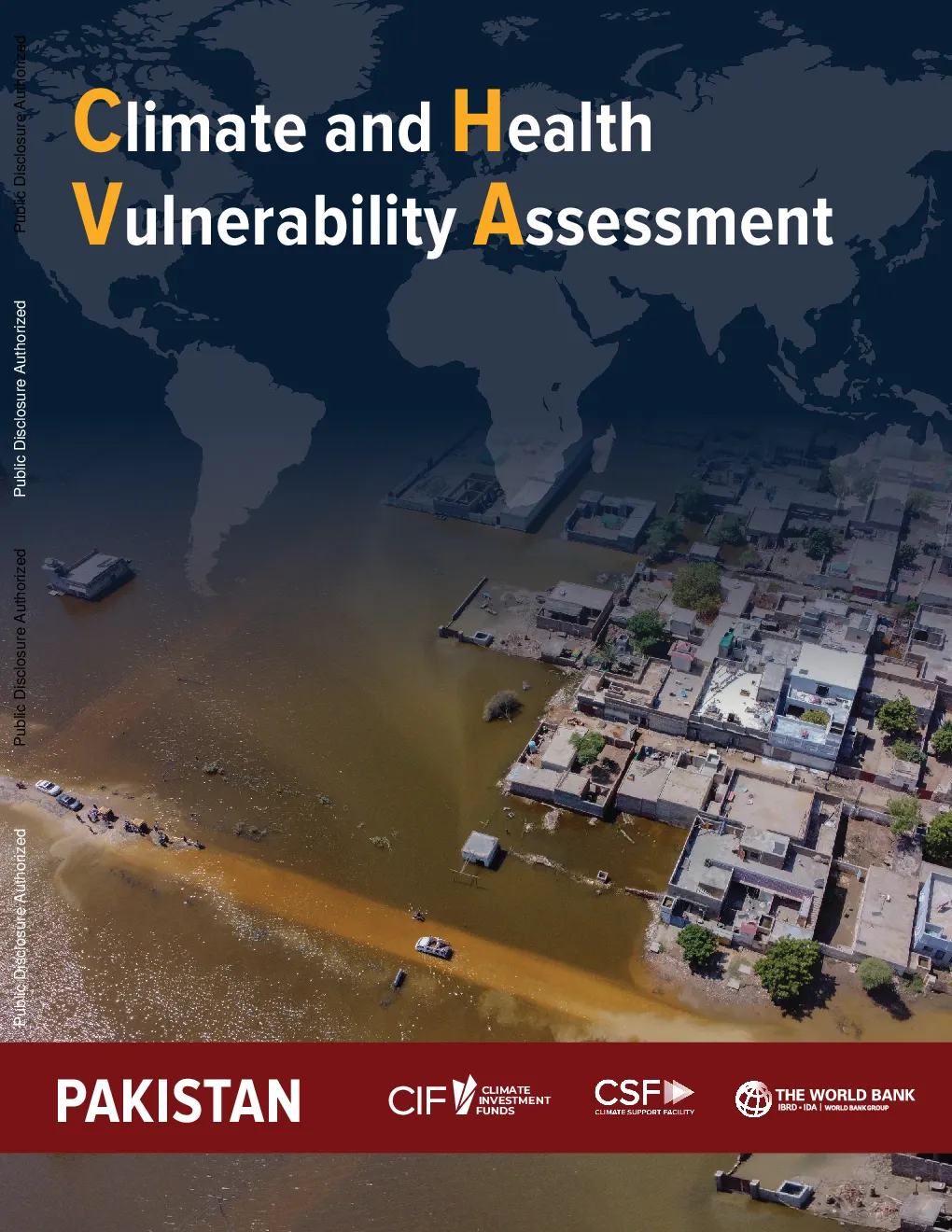
Climate and Health Vulnerability Assessment: Pakistan
Executive Summary
This comprehensive assessment evaluates the impact of climate change on public health in Pakistan, focusing on the country's vulnerability to climate-related health risks and the resilience of its health systems. The study underscores the urgent need for adaptation strategies that can mitigate the effects of climate change on health outcomes.
Introduction
1.1 Country Context
Pakistan is a developing nation facing significant climate challenges, including increasing temperatures, altered precipitation patterns, and extreme weather events. These factors exacerbate existing health issues and pose new threats to the population's well-being.
1.2 Aim of the Assessment
The primary objective is to assess the health vulnerabilities in Pakistan related to climate change and to provide recommendations for enhancing the resilience of the health sector. This involves understanding the current state of the health system and identifying areas where improvements can be made to better withstand future climate impacts.
Climatology
2.1 Observed and Projected Climate Change
The assessment highlights that observed trends include rising temperatures and changing precipitation patterns. Projected scenarios predict more frequent and intense heatwaves, increased flood occurrences, and altered rainfall patterns.
2.2 Climate-Related Hazards
Key climate-related hazards include:
- Extreme Heat: Increases in very and extremely hot days pose risks to human health, particularly for vulnerable populations.
- Floods: Resulting from heavy precipitation, floods can lead to waterborne diseases and disruptions in healthcare services.
- Landslides: Although less common than floods, landslides can cause injuries and disrupt essential services.
- Droughts: Impact agricultural productivity and water availability, affecting both nutrition and access to clean water.
Key Messages
The assessment emphasizes the need for robust adaptation measures to protect public health against these risks.
Health System Overview
4.1 Health System Overview
Pakistan's health system is characterized by significant disparities in access to care, especially in rural and remote areas. Key components include a network of hospitals, clinics, and community health workers.
4.2 Leadership and Governance
Effective leadership and governance are crucial for implementing health policies and programs. However, challenges remain in ensuring equitable distribution of resources and services.
4.3 Health Workforce
The health workforce is understaffed and overburdened, particularly in rural areas. Investment in training and recruitment is necessary to improve service delivery.
4.4 Health Information and Disease Surveillance Systems
Improvements in surveillance systems are needed to detect and respond to outbreaks promptly, especially in the context of climate-related health risks.
4.5 Essential Medical Products and Technologies
Access to essential medicines and technologies is limited, affecting treatment outcomes and response to emergencies.
4.6 Service Delivery
Service delivery is challenged by infrastructure limitations, particularly in remote areas, and by the need for more specialized care.
4.7 Financing
Health financing mechanisms are inadequate, leading to high out-of-pocket expenses for patients and limiting the ability to invest in climate-resilient health systems.
Recommendations
The report recommends several strategies to enhance the health system's resilience to climate change, including:
- Strengthening health workforce training and deployment.
- Improving health information systems for better disease surveillance.
- Enhancing access to essential medical products and technologies.
- Investing in health infrastructure that is resilient to climate impacts.
- Improving health financing to support adaptation and mitigation efforts.
References
The detailed findings and methodologies used in the assessment are documented in the references section, providing a comprehensive resource for further research and policy development.
Annexes
Additional annexes offer technical details, methodologies, and case studies relevant to the assessment, providing a deeper dive into specific aspects of the study.