AI智能总结
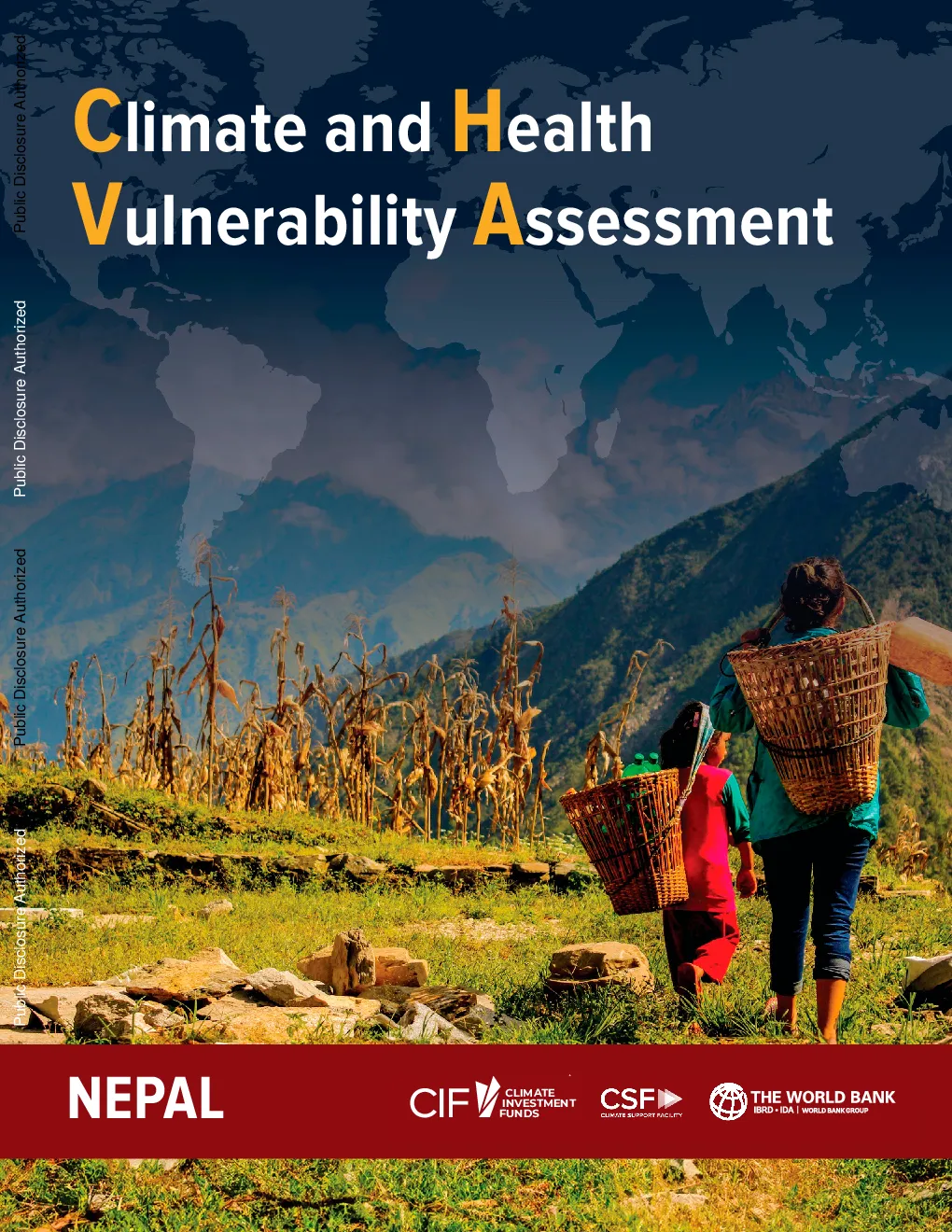
NEPAL © 2024 International Bank for Reconstruction and Development/The World Bank 1818 H Street NWWashington DC 20433Telephone: 202-473-1000Internet:www.worldbank.org The findings, interpretations, and conclusions expressed in this work do not necessarily reflect the viewsof the World Bank, its Board of Executive Directors, or the governments they represent. The World Bank does not guarantee the accuracy of the data included in this work. The boundaries, colors,denominations, and other information shown on any map in this work do not imply any judgment on thepart of the World Bank concerning the legal status of any territory, or the endorsement or acceptanceof such boundaries. Rights and Permissions The material in this work is subject to copyright. The World Bank encourages the dissemination of itsknowledge; thus this work may be reproduced, in whole or in part, for noncommercial purposes, as longas full attribution to this work is given. Any queries on rights and licenses, including subsidiary rights, should be addressed to World BankPublications, The World Bank Group, 1818 H Street NW, Washington, DC 20433, USA; fax: 202-522-2625;e-mail:pubrights@worldbank.org. Cover image: A Nepali woman makes her daily walk to the nearest river with her daughter to obtainclean water. Shutterstock/Javing Herrera. NEPAL Climate and Health Vulnerability Assessment June 2024 Acknowledgments...............................................................................................................................................viList of abbreviations............................................................................................................................................vii EXECUTIVE SUMMARY..................................................................................................................1 INTRODUCTION.............................................................................................................................5 Country context....................................................................................................................................................5Aims of assessment and conceptual framework...........................................................................................6 Nepal’s Geography..............................................................................................................................................9Observed and Projected Climatology..............................................................................................................11Climate Hazards..................................................................................................................................................15Key messages.....................................................................................................................................................23 II. CLIMATE-RELATED HEALTH RISKS......................................................................................25 Nutrition risks......................................................................................................................................................25Vector-borne disease risks...............................................................................................................................28Waterborne disease risks..................................................................................................................................31Air quality health risks.......................................................................................................................................32Mental health.......................................................................................................................................................34Extreme Temperature risks..............................................................................................................................35Key messages.....................................................................................................................................................36 III. ADAPTIVE CAPACITY OF THE HEALTH SYSTEM..............................................................39 Health System Overview..................................................................................................................................39Leadership and Governance............................................................................................................................40Health Workforce...............................................................................................................................................43Health Information Systems (HIS)...................................................................................................................47Essential Medical Products & Technologies.............................................................