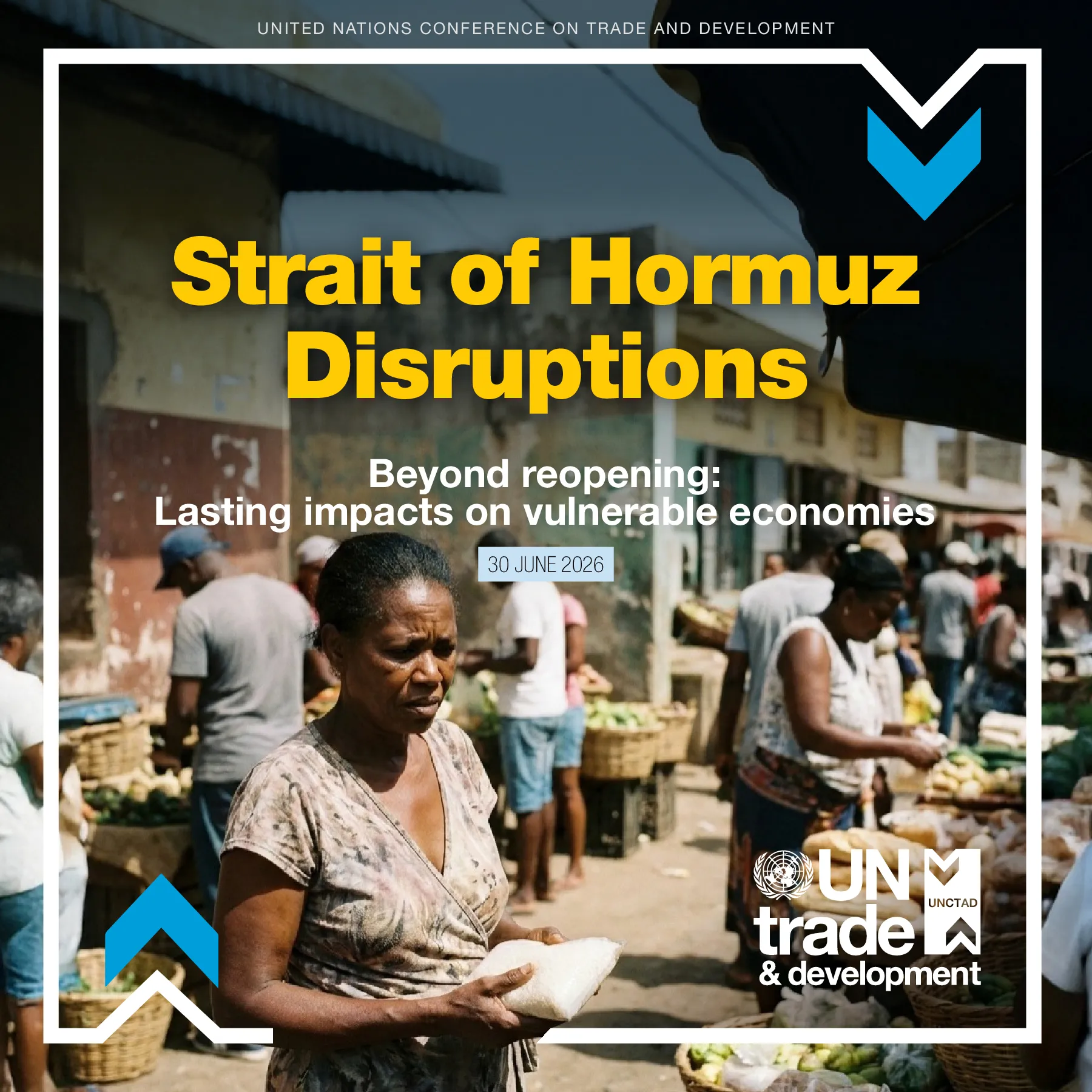
reopen of the Strait of Hormuz will bring relief to global economies but the lasting impacts on vulnerable economies remain significant. The disruption caused by over 100 days of shipping delays has already led to negative effects on the global economy, particularly affecting vulnerable economies exposed to oil and fertilizer price shocks, resulting in persistent inflation and affordability issues for basic necessities like food and healthcare.
The reopening of the strait is expected to stabilize energy markets, with crude oil prices showing a downward trend. However, sectors like transport will take longer to adjust due to higher freight costs. The ripple effects of past input price shocks pose risks to future food security, as higher energy prices increase transport costs, potentially raising domestic food prices further.
Vulnerable economies, especially small island developing states (SIDS) and least developed countries (LDCs), are heavily reliant on oil and food imports, making them highly susceptible to price shocks. Data shows that a large number of economies are net importers of oil or cereal products, with SIDS and LDCs facing dual exposure to both oil and food price shocks.
The ability to cope with these shocks varies across economies. Those with tighter public finances, high debt burdens, exchange rate risks, and declining remittances are hit hardest. Short-lived energy shocks can have long-term consequences, fueling sustained inflation even after the initial shock fades. Food price inflation may continue to rise, and prolonged periods of unaffordable food can lead to lasting health impacts, such as increased child wasting.
Normalization of trade will take time, as shipping and value chains need time to adapt, and the impacts of energy shocks will continue to be unevenly distributed. Food production risks remain high due to persistent input price hikes and the potential for a strong El Niño, raising concerns about food insecurity. International support is needed to improve the coping capacity of vulnerable economies, as declining official development assistance and mounting debt servicing burdens risk slowing recovery. Investment in resilience, including trade diversification and domestic resilience measures, is crucial but constrained by financial limitations.
UN Secretary-General António Guterres emphasized that the impacts of these shocks will last for many months, with developing countries bearing the heaviest toll, calling for a ceasefire and increased efforts to mitigate the effects.