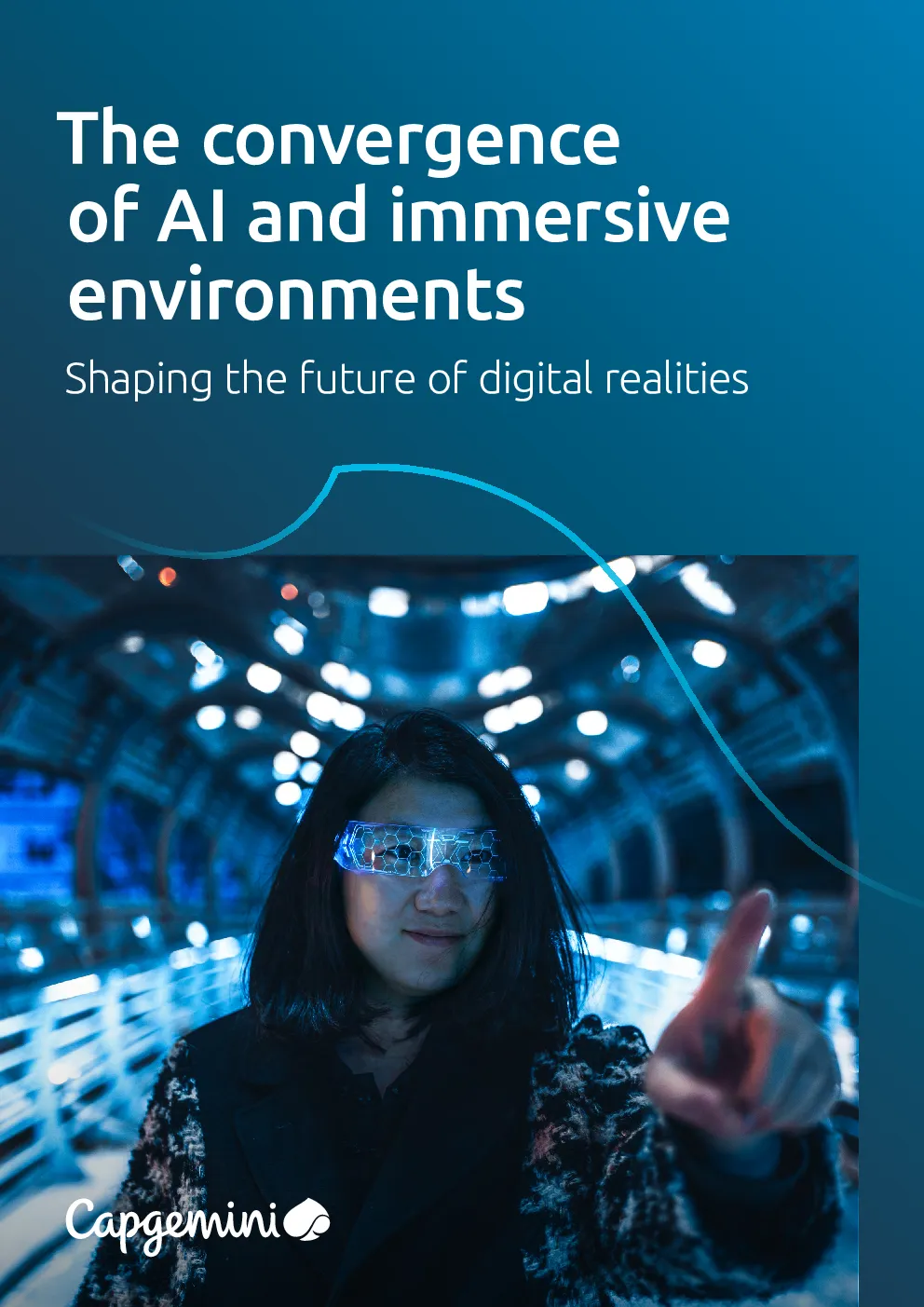
AI and Immersive Environments: Shaping the Future of Digital Realities
Evolution of AI in Immersive Environments
The integration of AI, particularly generative AI (GenAI), with immersive environments like the metaverse is revolutionizing digital experiences. AI has evolved from rule-based systems to machine learning and now to generative AI, significantly transforming content creation and interaction in virtual environments. Generative AI, especially generative adversarial networks (GANs), enables the creation of realistic, original content, drastically reducing the time and skill required to produce complex digital assets. Natural language processing advancements have enhanced conversational interactions, while AI-powered platforms can now generate dynamic, evolving virtual worlds.
Impact on Content Creation
Traditional methods of creating 3D assets, environments, and characters were time-consuming and required specialized skills. Generative AI has democratized this process, allowing for the rapid creation of diverse and complex digital assets. Tools like NVIDIA’s GauGAN exemplify how GenAI is lowering the barriers to entry for content creation in virtual worlds. The use of AI in procedural content generation (PCG) has enabled the creation of vast, diverse virtual environments without manual design of every element, ensuring unique user experiences.
Applications of AI in Immersive Environments
- Avatars and Virtual Assistants: AI-driven avatars and virtual assistants serve as the interface between users and the virtual world, facilitating natural and intuitive interactions. Advanced language models enable these avatars to engage in sophisticated conversations, understand context, and express emotions.
- Procedural Content Generation: AI algorithms can generate vast, diverse virtual environments, including landscapes, buildings, and cities, ensuring unique user experiences.
- Language Models: Used for building user-friendly interfaces, enabling users to explore and engage with virtual environments using voice commands or natural language queries. AI is also used for instant language translation, overcoming language barriers in virtual spaces.
- Computer Vision: AI-powered computer vision algorithms analyze and interpret the real world in real time, enabling the seamless integration of virtual elements into the physical environment. This technology is fundamental to applications like virtual try-ons in retail.
- Haptic Feedback and Sensory Experiences: AI algorithms enhance the sense of presence and immersion by creating realistic touch sensations in virtual reality.
Democratization of Content Creation
AI advancements are democratizing content creation, making it more accessible to non-technical users. AI-powered tools can interpret natural language or rough sketches to create fully realized 3D models, lowering the technical skill threshold for content creation. This democratization fosters a more diverse and inclusive metaverse ecosystem, enabling hobbyists to produce high-quality content and create new business opportunities.
Challenges
While AI is democratizing content creation, it also presents challenges such as privacy, ethics, and security concerns.
Overall, the convergence of AI and immersive environments is reshaping industries, social interactions, and creative endeavors, opening up new frontiers for interaction and innovation in virtual spaces.