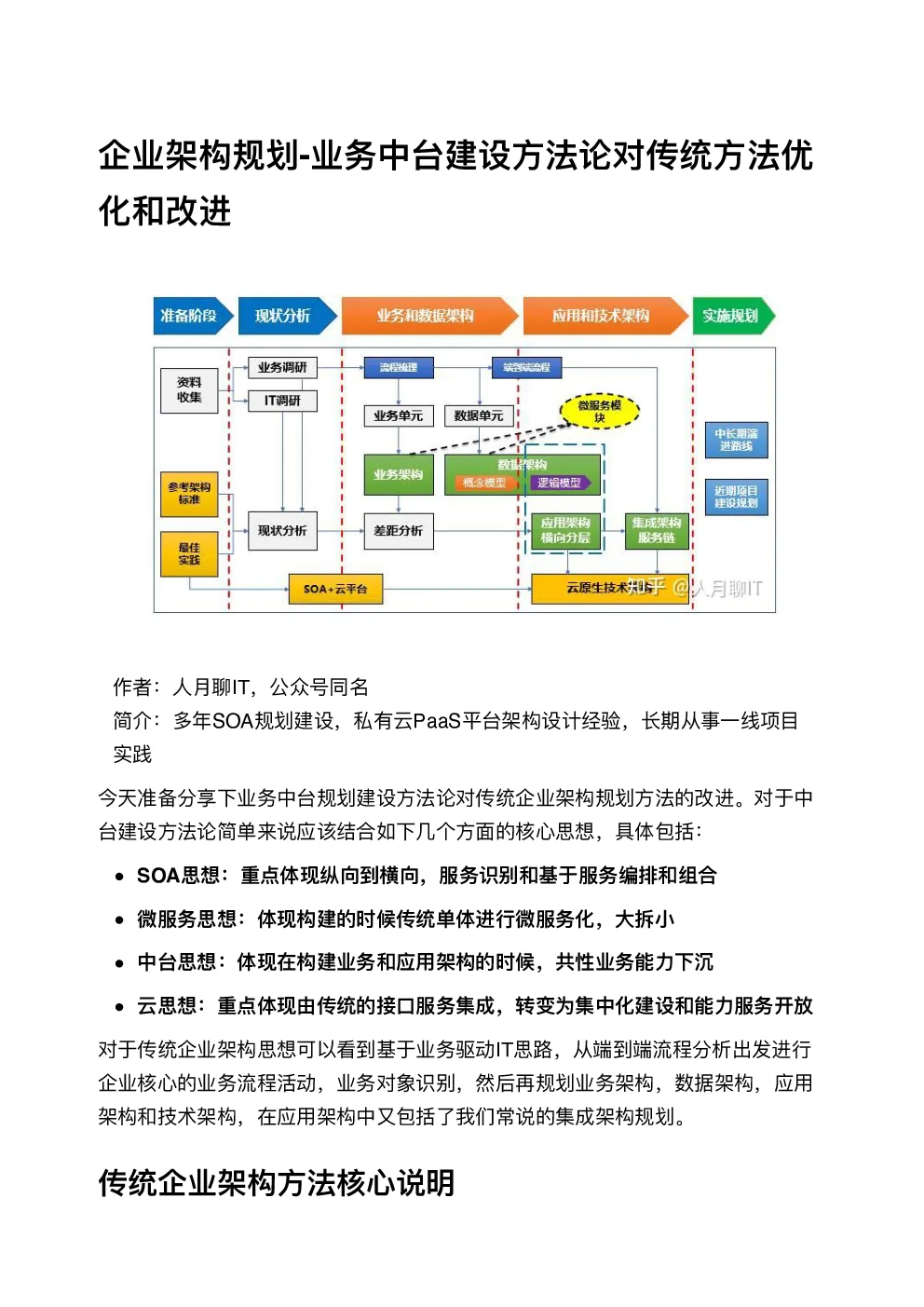
The report focuses on the evaluation of various cloud computing models including ITaaS, PaaS, and SOA, along with their respective sub-models. The main points can be summarized as follows:
-
ITaaS (Infrastructure as a Service): This model provides virtualized computing resources over the internet, such as servers, storage, and networking. It is characterized by its flexibility in scaling resources up or down as needed.
-
PaaS (Platform as a Service): PaaS offers a platform for application development, deployment, and management. It provides a set of tools and services that allow developers to build and deploy applications without needing to manage the underlying infrastructure.
-
SOA (Service-Oriented Architecture): SOA is an architectural style where software components provide services by exposing operations to clients through well-defined interfaces. It emphasizes loose coupling between services and facilitates interoperability across different systems.
-
Sub-models of PaaS:
- IaaS-PaaS: This refers to the combination of IaaS and PaaS, providing both infrastructure resources and a platform for application development.
- BaaS (Backend-as-a-Service): This model provides backend services like databases, messaging, and authentication to mobile and web applications, allowing developers to focus on the front-end user interface.
-
CRUD (Create, Read, Update, Delete) Operations: These are fundamental database operations used in the context of PaaS, enabling the creation, retrieval, modification, and deletion of data.
-
ERP (Enterprise Resource Planning): ERP systems integrate and automate business processes across an organization, providing real-time visibility into key business functions such as sales, marketing, purchasing, inventory, production, and finance.
-
API (Application Programming Interface): APIs enable communication between different software systems, facilitating integration and data exchange.
-
DevOps: This methodology combines software development and IT operations to improve collaboration between these teams, leading to faster release cycles and higher quality software.
-
Key Data Points:
- Usage statistics, such as number of users, active sessions, and resource consumption.
- Performance metrics like response time, throughput, and error rates.
- Cost analysis comparing different models and configurations.
- Security measures implemented to protect data and assets.
-
Comparisons:
- ITaaS vs PaaS: ITaaS offers more control over infrastructure but requires management skills, while PaaS simplifies infrastructure management but might limit customization options.
- SOA vs Non-SOA architectures: SOA promotes loose coupling and modularity, making it easier to integrate and scale services, compared to tightly coupled non-SOA architectures.
-
Recommendations:
- Based on the specific needs of an organization (e.g., scalability, cost, security), one model may be more suitable than another.
- Integration of multiple models (e.g., combining PaaS with IaaS for a flexible development environment) can provide the best of both worlds.
- Continuous monitoring and optimization of cloud services are crucial to ensure performance and cost-effectiveness.
This summary captures the essence of the report, focusing on the main models and concepts discussed, while omitting detailed technical specifics and recommendations.