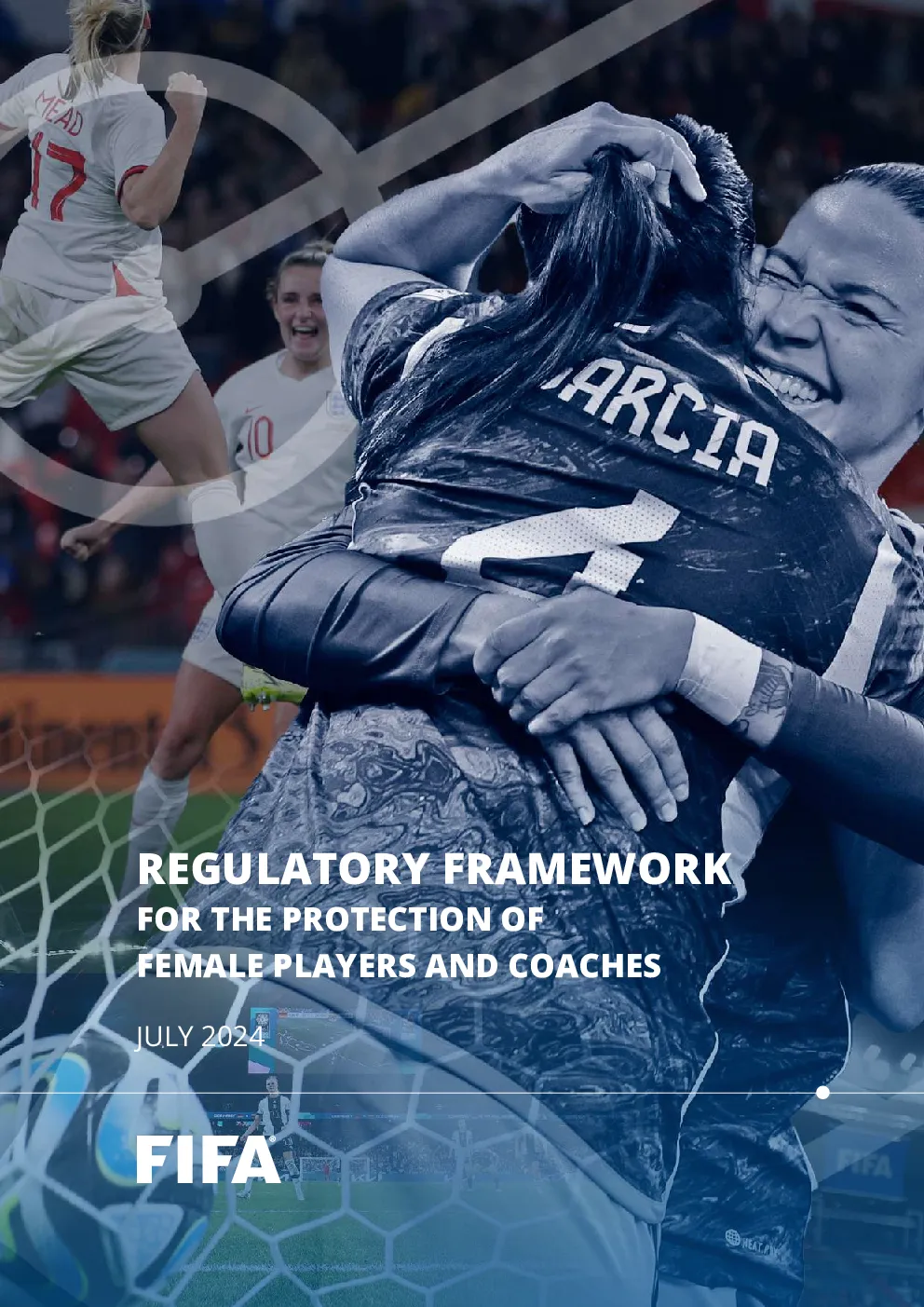
FIFA's Regulatory Framework for Protection of Female Players and Coaches
Overview
The FIFA Regulations on the Status and Transfer of Players (RSTP) underwent significant updates in 2021 to specifically address the protection needs of female players and coaches. This update ensures that the rights and protections provided are tailored to accommodate maternity, adoption, and family leave, among other considerations.
Key Provisions
Leave Entitlements
- Eligibility: Female players/coaches, including biological mothers, adoptive parents, and non-biological mothers, are eligible for leave based on their contractual term.
- Salary During Leave: Two-thirds of the contracted salary is maintained.
- Types and Duration of Leave:
- Maternity Leave: 14 weeks of paid absence, with at least 8 weeks following the baby's birth.
- Adoption Leave: Varies by age of child adopted (8 weeks for under 2 years, 4 weeks for 2-4 years, 2 weeks for over 4 years), all to be taken within 6 months of adoption.
- Family Leave: 8 weeks of paid absence for non-biological mothers, also to be taken within 6 months of the child’s birth.
Special Protections
- Contractual Stability: Every contract remains valid regardless of pregnancy, results, or use of leave rights.
- Fair Treatment: Contract termination for refusing pregnancy tests, being pregnant, or taking leave is presumed unjust, leading to compensation, sporting sanctions, and fines.
Player Rights Upon Pregnancy
- Option to Continue Playing: A player can choose to keep playing, with the club supporting this decision.
- Alternative Work: If unable to play or train safely, clubs must offer alternative work.
- Medical Leave: For health-related reasons, players can take medical leave with a valid medical certificate.
Flexible Leave and Return to Work
- Flexible Leave Start: Players and coaches can choose when their leave starts and when returning to football.
- Full Pay When Back: Full salary is guaranteed upon return to football activities.
- Support Post Maternity Leave: Assistance for reintegration into football, postpartum planning, and medical support are provided.
Breastfeeding
- Rights: Breastfeeding and expressing milk are allowed and facilitated.
- Suitable Facilities: Clubs must provide facilities for breastfeeding or expressing milk, aligning with national laws.
- Salary for Reduced Hours: No reduction in pay for working fewer hours due to breastfeeding.
Menstrual Health
- Approved Absence: Time off for reasons of menstrual health is granted with a valid medical certificate.
Special Registration Rules
- Temporary Replacements: Clubs can register a female player outside registration periods for maternity, adoption, or family leave.
- Return from Leave: A returning player can also be registered outside regular periods.
Support for National-Team Players
- Family-Friendly Environment: Encouraged during final competitions, including family accommodation, breastfeeding facilities, and financial assistance.
National Implementation
- Minimum Standards: FIFA’s rules set basic standards for national application.
- National Flexibility: Member associations can implement stronger protections through their own regulations.
- Collective Bargaining Agreements (CBAs): If a valid CBA exists, its provisions apply.
- National Law Precedence: More beneficial national laws prevail over FIFA’s framework.
Compliance
- Inclusion: Applicable conditions from CBAs or national laws must be included in domestic regulations.
Conclusion
FIFA’s updated regulatory framework significantly enhances protections for female players and coaches, addressing maternity, adoption, family leave, and specific health concerns, ensuring fair treatment, and promoting a supportive environment for professional growth and personal life balance.